
 Paul Zilly
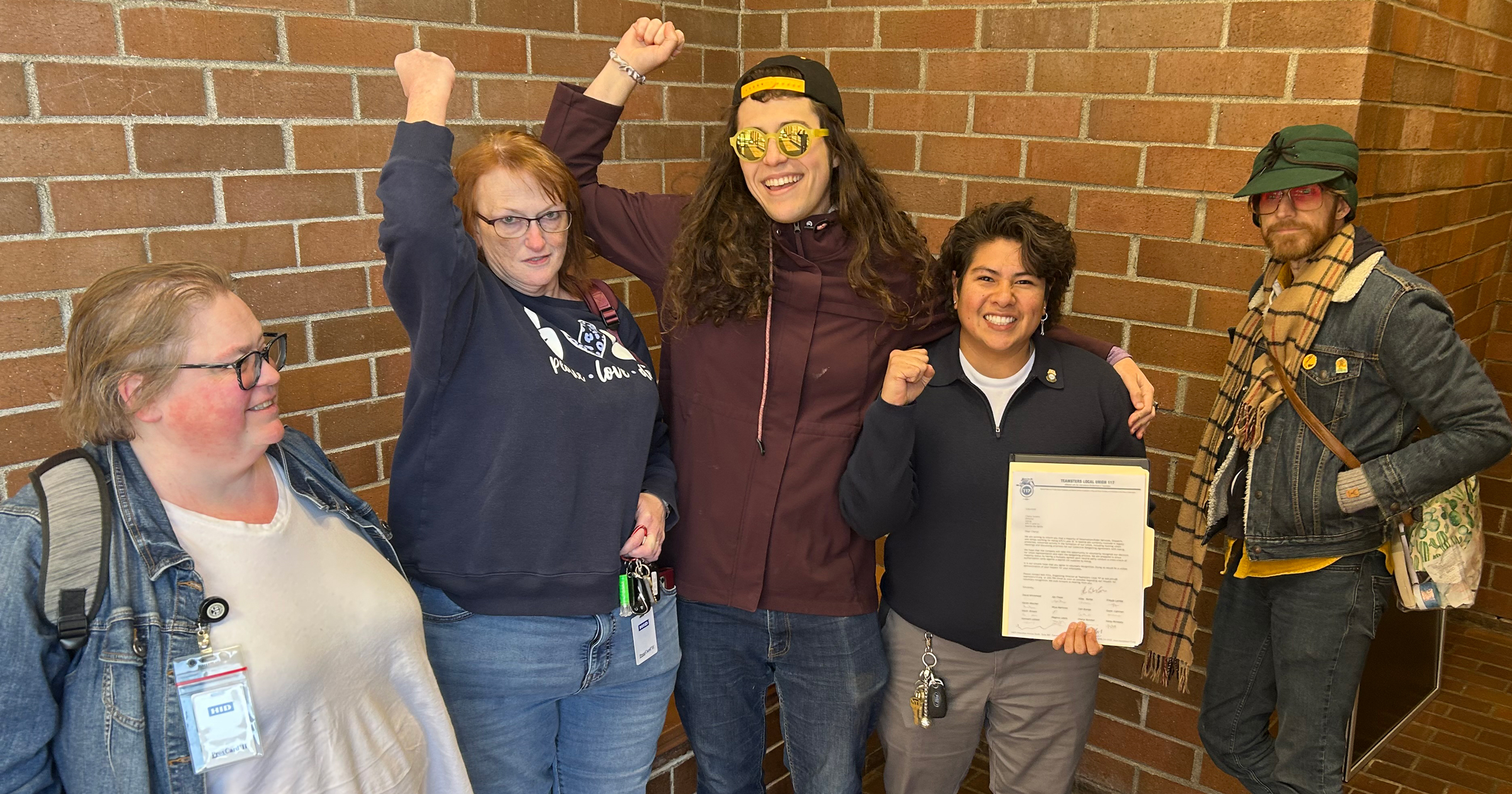
Los trabajadores de una empresa subcontratista de MV Transportation piden a la empresa que reconozca Teamsters
Un grupo de treinta y un trabajadores del servicio de transporte adaptado de Alesig, una empresa subcontratista de MV Transportation, pretende afiliarse al Teamsters . El lunes, los trabajadores declararon que la mayoría estaba a favor de que el Local 117 actuara como su representante exclusivo en la negociación colectiva, y exigieron a su empresa que reconociera al unión. Alesig no ha respondido a la demanda de los trabajadores.
Los empleados de Alesig alegaron la necesidad de una mejor asistencia sanitaria, salarios justos y un trato digno en el trabajo como motivos para afiliarse Teamsters.
«Nos vemos obligados a pagar primas altísimas por un plan de salud con "opciones limitadas" que parece más una carga que una ventaja», afirmó James Lee, un operador de Alesig. «Estoy harto de los retrasos administrativos que nos dejan sin cobertura justo cuando más la necesitamos».
Los trabajadores también se vieron impulsados a organizarse por un ambiente de trabajo tóxico en el que los responsables ignoran las preocupaciones de los trabajadores de primera línea y les gritan habitualmente mientras están al teléfono coordinando a los conductores o programando los viajes con los clientes.
«La dirección se ha convertido en un obstáculo para prestar los servicios de alta calidad que nuestras ciudades merecen en materia de accesibilidad», afirmó Carl «Borbs» Jorge, agente de reservas de Alesig. «Al centrarse en indicadores erróneos y silenciar las opiniones de los trabajadores, han creado un entorno que resulta a la vez ineficaz y desmoralizador».
Los trabajadores de Alesig prestan servicios de despacho y asistencia en la reserva de viajes a pasajeros de la tercera edad y con discapacidad en todo el condado de King. Si se les reconoce, se unirían a los 330 conductores, planificadores de horarios e instructores de transporte sindicados de MV Transportation que actualmente prestan servicios de transporte adaptado en el condado.
Paul Dascher, secretario-tesorero del Teamsters 117 Teamsters unión Teamsters , afirmó que el unión esforzará por conseguir un primer convenio colectivo sólido para el colectivo, con salarios y prestaciones justos, y trabajará para corregir la injusta diferencia salarial entre los trabajadores de MV Transportation y Alesig.
«Los trabajadores de Alesig realizan, codo con codo con nuestros afiliados de MV Transportation, un trabajo similar, pero reciben una remuneración mucho menor. Abordaremos esta disparidad en las negociaciones y nos aseguraremos de que se les respete», afirmó Dascher. «Los trabajadores de ambas empresas prestan apoyo a algunos de los residentes más vulnerables de nuestras comunidades. Merecen un trato justo».
Ver el PDF de este comunicado
¿Te gusta esta página?